The Skin Barrier, Hydration, and Why Your Moisturizer Matters More Than You Think
Hydration isn't a finishing step — it's the foundation of healthy, youthful-looking skin. A practical guide to ceramides, hyaluronic acid, and the architecture of a moisturizer that actually works.
Of all the skincare advice circulating online, the most consistently underrated is the simplest: keep your skin hydrated, and keep its barrier intact. Almost every visible 'aging' concern — dullness, fine lines, sensitivity, uneven tone — is amplified when the barrier is compromised and softened when it isn't.
Hydration is not the same as moisturization
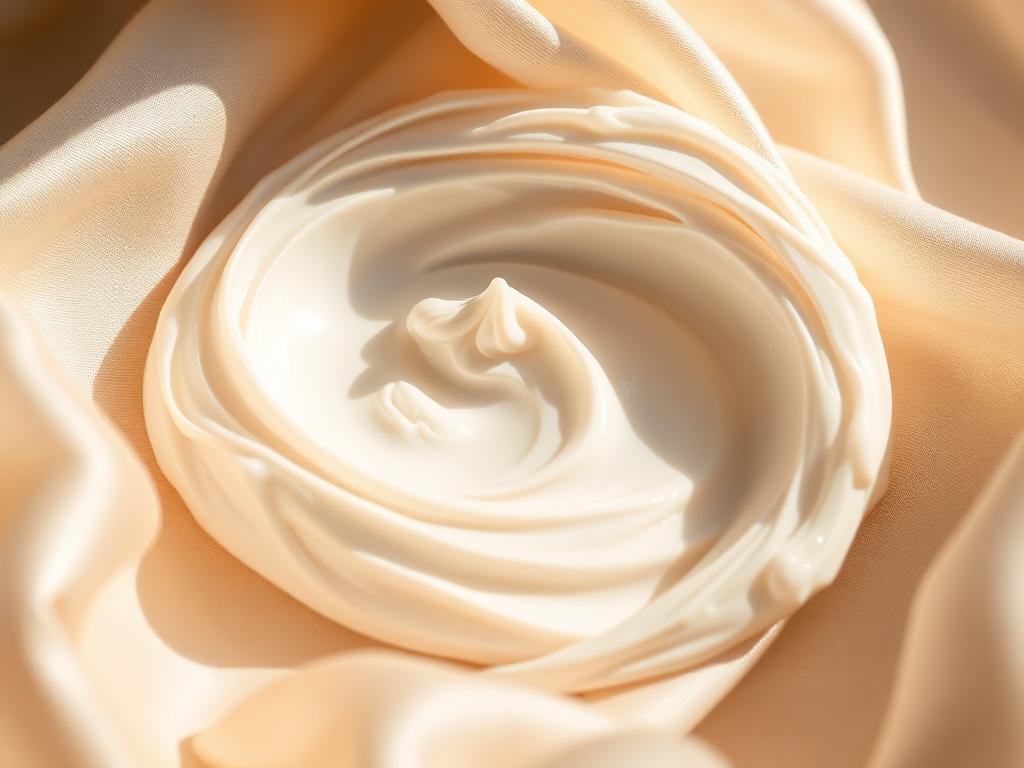
Hydration means water inside the skin cells. Moisturization means trapping that water in. A well-built moisturizer does both: humectants (hyaluronic acid, glycerin, panthenol) draw water into the upper layers; emollients (squalane, shea, fatty alcohols) smooth and soften; occlusives (ceramides, plant butters, oils) seal moisture in.
A moisturizer made only of occlusives feels rich but does not hydrate. A serum made only of humectants hydrates but evaporates. The architecture matters as much as the ingredient list.
Why hydrated skin looks younger
Plump, hydrated skin reflects light evenly — the optical definition of 'glow.' Fine lines are most visible when the surrounding skin is dehydrated and the lines themselves cast contrast. Hydrate the area and the same lines soften without any actual structural change.
This is the closest thing to instant gratification skincare offers. Apply a layered hydration routine in the morning and skin genuinely looks different within an hour.
What to look for on a label
Three or more molecular weights of hyaluronic acid (or sodium hyaluronate). A ceramide complex — ideally NP, AP, and EOP together. Phytosphingosine and cholesterol round out the barrier. Squalane and shea or jojoba for emollience. Glycerin should appear high on the list.
Things to skip if you have a reactive barrier: denatured alcohol high in the formula, fragrance allergens (linalool, limonene, geraniol), and harsh exfoliants stacked into a moisturizer.
How to apply for maximum payoff
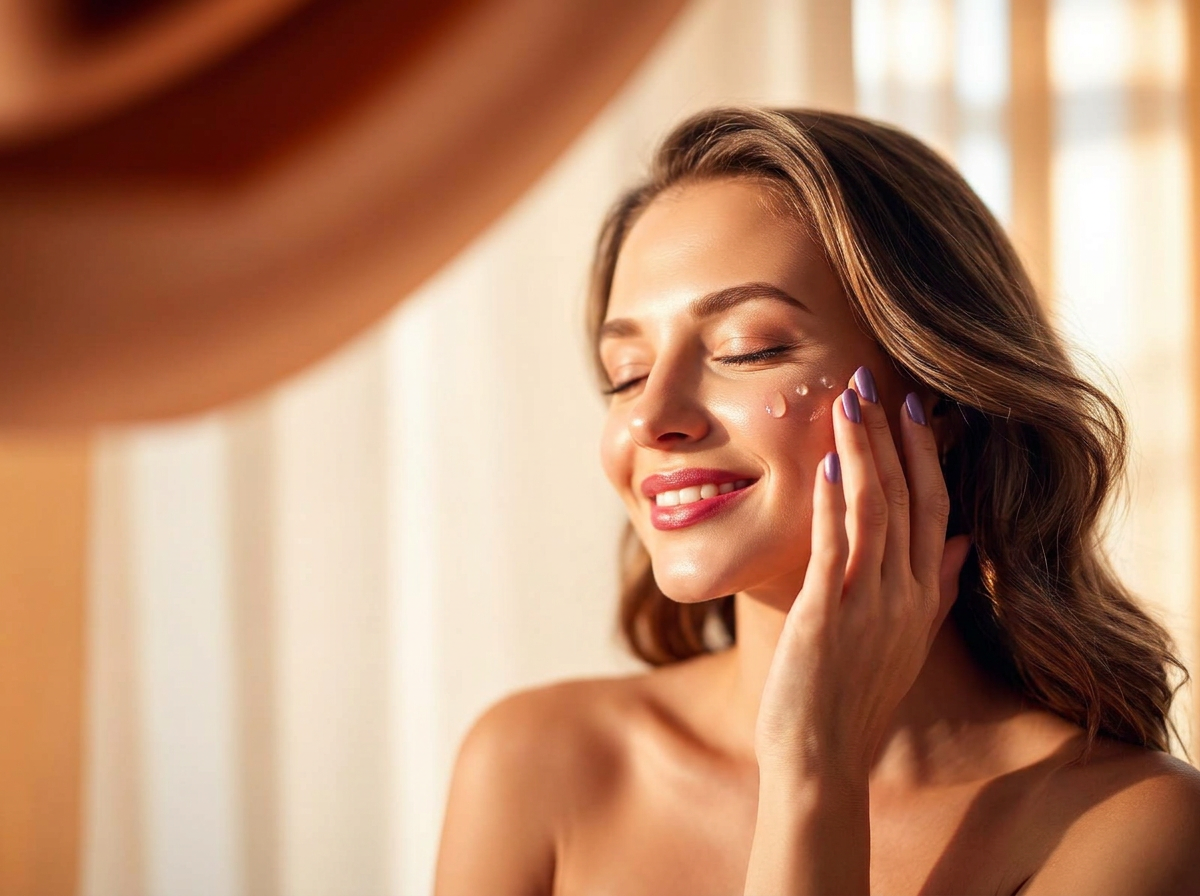
Cleanse, then leave skin slightly damp. Apply hydrating serum first, then moisturizer within 60 seconds — this traps surface water before it evaporates. Press into the skin with warm palms; do not rub. In dry climates or overnight, layer a second pass.
Done well, this is the single skincare habit with the highest return on the smallest investment. A strong barrier and well-hydrated skin make every other product in your routine work better.